

Based inIndia
Started2020
Product Designer and Design Engineer
Some of the companies I’ve worked with




Curiosity. Craft. Stubbornness. A refusal to ship anything I would not use myself. These are the things that turned a fifteen-year-old making YouTube thumbnails into a product designer building for millions of people.

I started in computer science and learned how software actually gets built before I learned how it should look. That order turned out to be the useful one: every interface I draw is one I already know how to make, and every system I hand over is one an engineer can pick up without a meeting.
Since then, across a national government platform, a global boxing brand and a festival with half a million visitors, the job has stayed the same. Understand the constraint, then make the obvious thing.

“I came to design through code, and I never really left either one.”
I started in computer science, which meant I learned how software gets built before I learned how it should look. That order turned out to be the useful one. Every interface I draw is one I already know how to make, and every system I hand over is one an engineer can actually pick up.
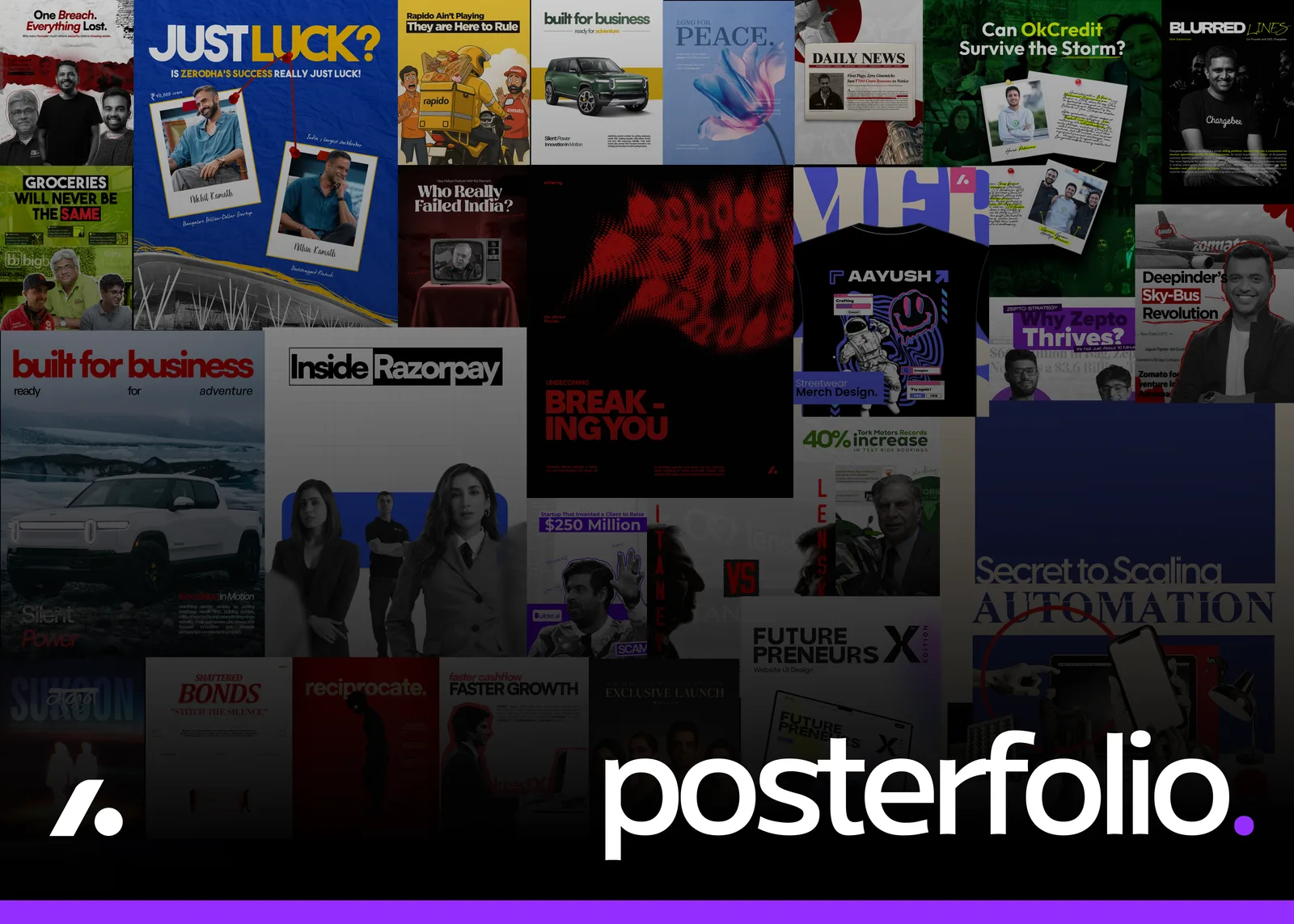
Lockdown was in full swing and, like every responsible teenager, I was spending most of my time playing games and watching YouTube. I started making gaming videos and reviews, which led to one very important problem: I wanted new skins and characters, and my parents did not believe in investing in my gaming career. So I learned Photoshop and made thumbnails, posters and banners for YouTubers to earn pocket money. The plan was to buy game skins. The unexpected side effect was that I started enjoying design.

What started as a way to fund my gaming habit slowly became a real thing. I started experimenting with motion graphics, branding and visual design, taking on freelance projects and working with real clients and a few well-known YouTubers. I was learning design the hard way: make something, realise it looks terrible, fix it, repeat. Somewhere in between all the terrible first drafts, I realised I might actually want to do this seriously.

I was becoming less obsessed with making things look good and more curious about why they worked. I started exploring different areas of design and got increasingly interested in UI/UX. I began asking questions like “why is this button here?” and “why does this website make me angry?” — which, surprisingly, turned out to be useful questions for a designer.

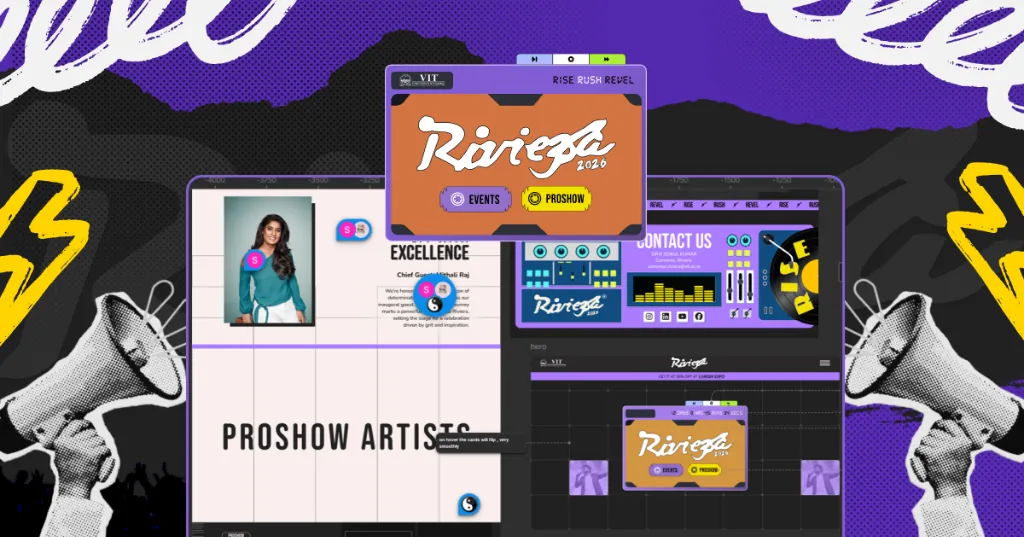
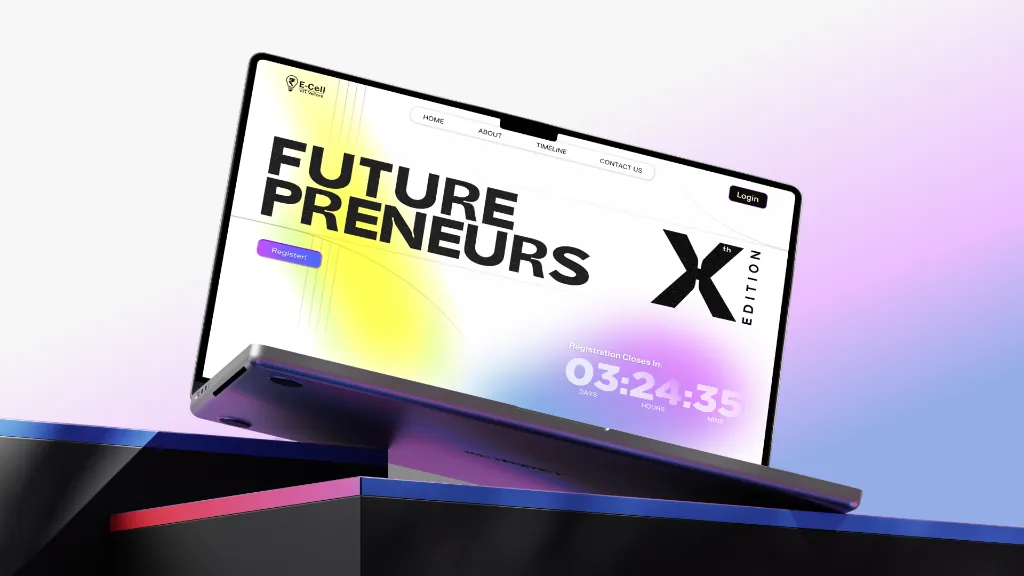
Then I joined VIT, and design got a lot more serious. I was introduced to UI/UX and product design and finally understood that design was not just about making pretty screens. Through Entrepreneurship Cell, Gravitas and Riviera I got to work with large teams, different stakeholders and very questionable deadlines. I also started leading design teams, which taught me that managing designers is sometimes harder than designing itself.

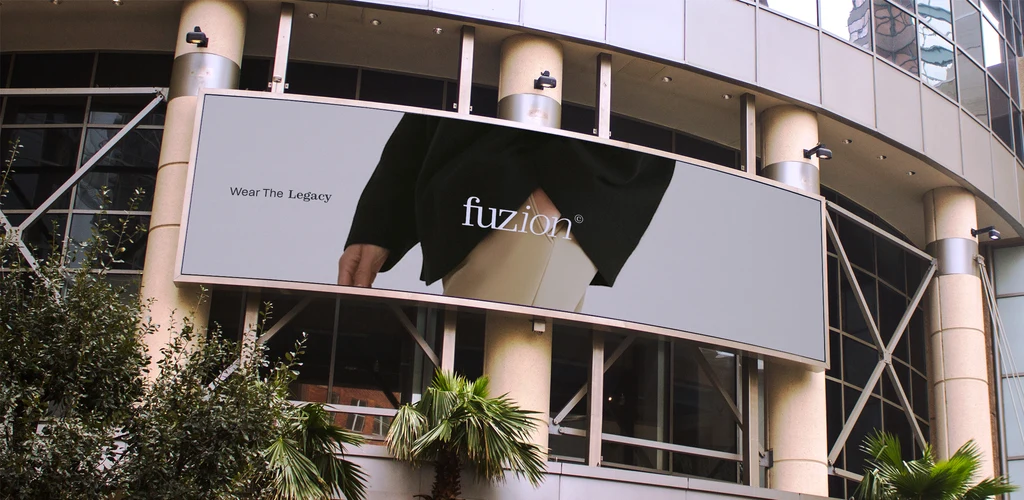
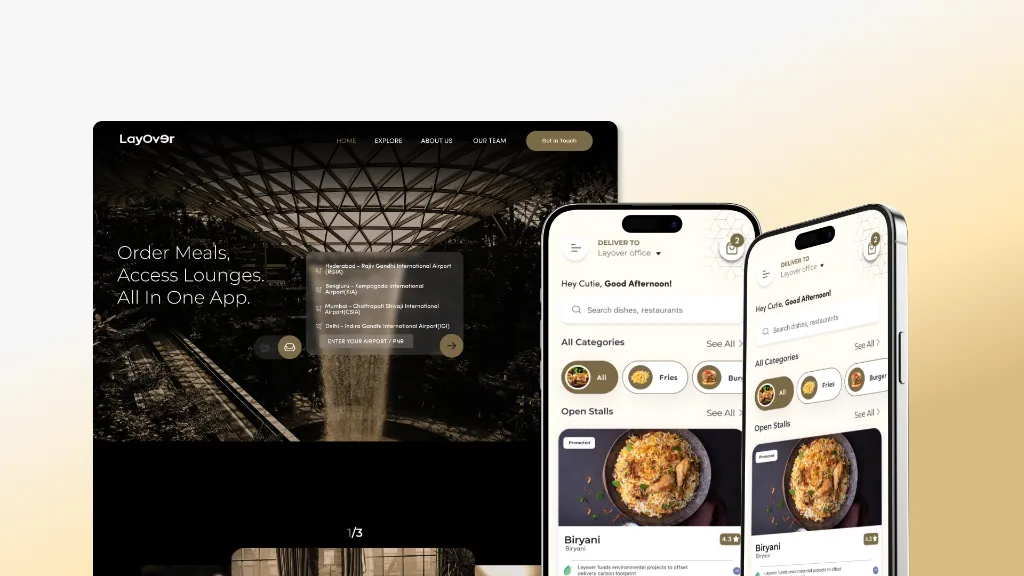
I started taking my design outside college and into actual products. At Canvas & Co. I worked as a product designer and creative strategist, while also exploring projects like the Mike Tyson Invitational website. I started thinking more about products, users and business problems instead of just individual screens. Basically, Figma stopped being a drawing app and became a place where I overthink everything.

I became a founding product designer at a college startup, which meant there was no existing product, no established design system and definitely no magical “make it good” button. I helped take the product from zero to one and learned how to make design decisions when there is not always a perfect answer. I also worked on projects like the Elevation Capital AI Adoption Report, which taught me that making complicated information understandable is its own kind of design challenge.

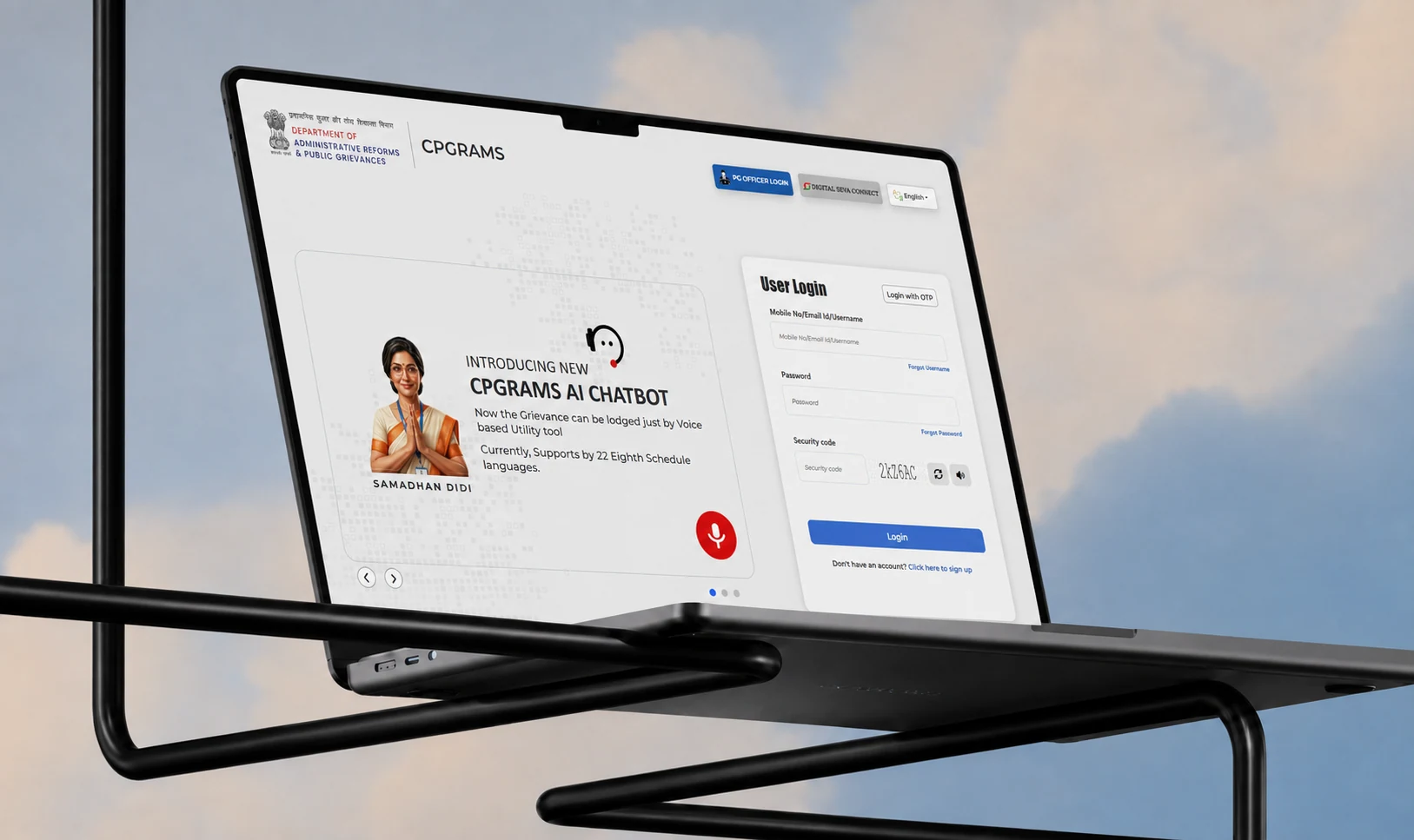
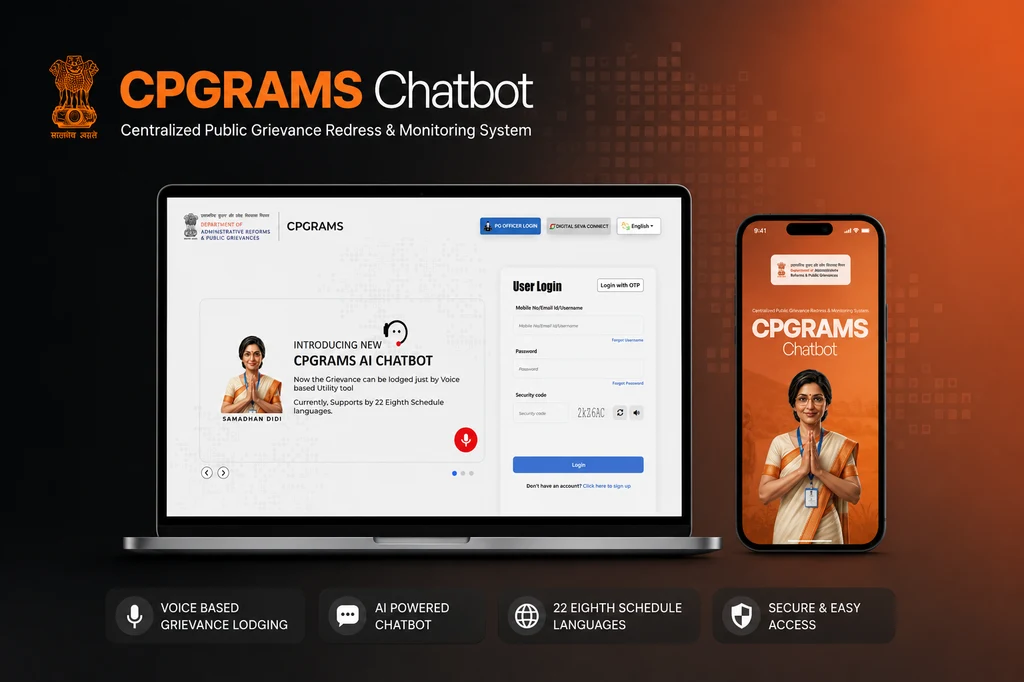
More recently I joined KPMG as a summer intern and worked on CPGRAMS, designing a chatbot experience for filing grievances. The challenge was to simplify a fairly complex process for a very diverse group of users. And then something pretty cool happened: the first version went live. After years of making things inside Figma, I finally got to see something I designed actually being used by real people. Slightly terrifying. Mostly exciting.

Six years ago I started designing because I wanted to buy gaming skins. Today I am still designing, just with slightly better reasons. I have gone from thumbnails and posters to UI/UX, product design, startups and real-world products. I still love visuals and making things look good, but now I am equally obsessed with how things work, why they work and whether they can work better. I do not really have a perfect five-year plan. I just want to keep making interesting things, breaking them a little, fixing them, and seeing where that takes me.
Framing the problem, mapping the flows, and being honest about what should not get built. The cheapest screen is the one you talked yourself out of.
Token libraries that hold their shape when a second team picks them up. Naming, contracts, and the discipline to keep the exceptions out.
Conversational and assisted flows where the model is a material with real edges, not a feature bolted onto a form.
Interviews that end in shipped screens. Research is only worth the hours if it changes what gets made.
React, TypeScript and Framer Motion. I build the thing so nothing gets lost in the handoff — this site included.